
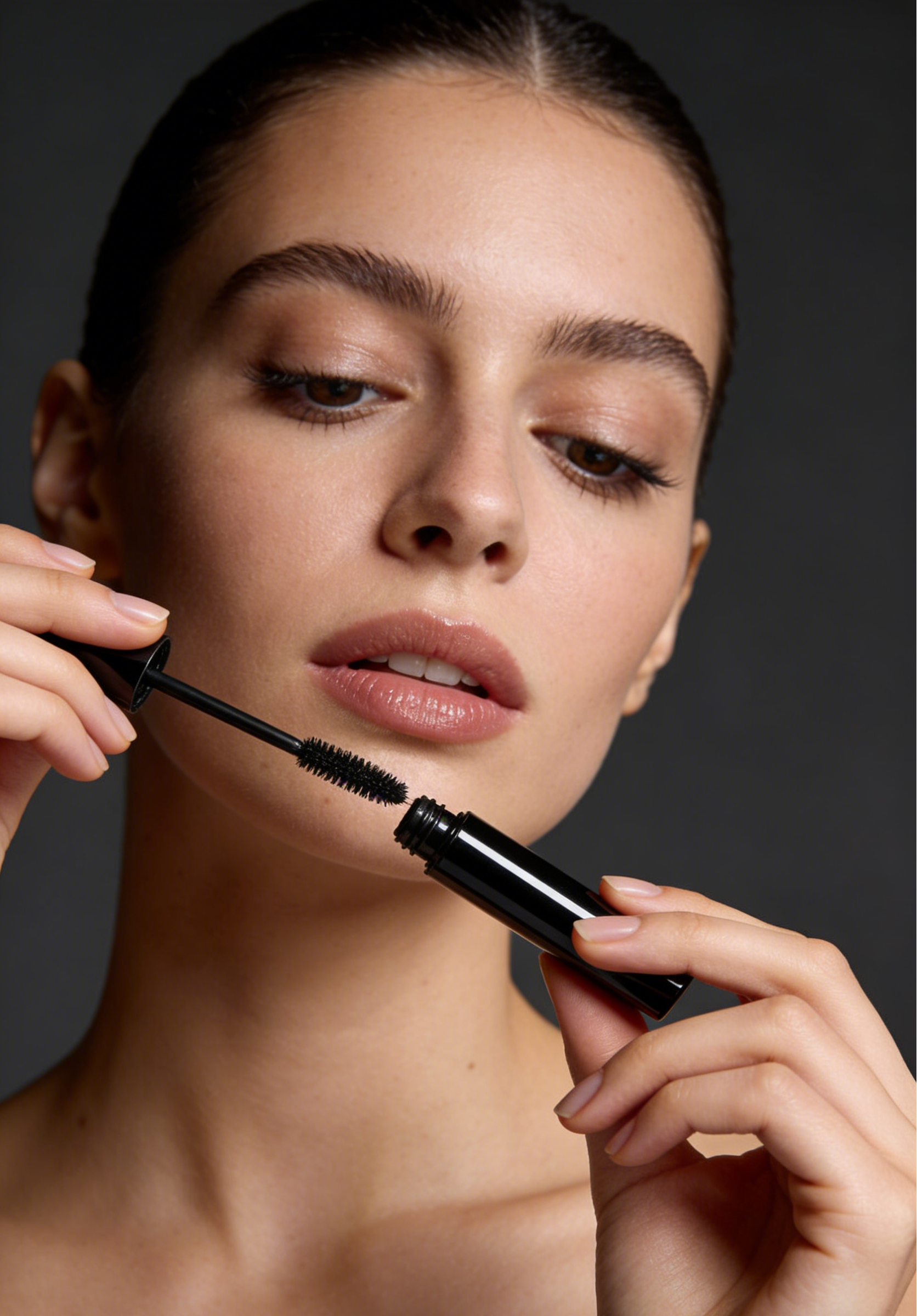
If you've ever worn lashes and instantly felt more "polished," you’re not the only one. False lashes became popular not just for their appearance but also for the feelings they evoke in people. That sensation has transformed with each generation.
When Lashes Meant Glamour
In Hollywood's early days, eyelashes were anything but discreet. They were daring, theatrical, and unrepentant. Actresses donned them to make their eyes pop in movies, but the impact extended beyond cinema. Eyelashes turned into a representation of elegance—something unique, nearly unreachable.
Back then, lashes weren’t something you wore every day. They were reserved for moments when you wanted to feel extraordinary.
When Lashes Became Personal
As beauty moved out of movie studios and into everyday life, lashes softened. Women started choosing lashes not to impress an audience, but to suit themselves.
A little lift for brighter eyes. A bit of length to feel more polished. Lashes became less about drama and more about confidence—the kind you carry quietly.
The Shift to Self-Expression
Fast forward to now, and lashes are no longer “one look fits all.” Some days you want barely-there lashes. Other days, you want something bold and playful. TikTok didn’t invent this freedom—it just made it visible.
Today’s lash trends are about mood, identity, and self-expression. Manga styles, wispy clusters, and custom lash maps aren’t about rules—they’re about choice.
Why Lashes Still Matter
Through every era, one thing hasn’t changed: lashes frame the eyes, and eyes carry emotion. A good lash doesn’t hide you—it supports how you want to show up that day.
That’s why modern brands focus on lightweight comfort, flexible bands, and styles that adapt to real life, not just photos.
The Takeaway
False lashes didn’t survive a century because they were trendy. They survived because they helped people feel more confident, more expressive, and more themselves—no matter the era.
Whether your style leans classic or current, explore modern lash looks that move with you and your mood.